How to Choose the Right Materials for Your Bespoke Furniture
When commissioning bespoke furniture, one of the most important decisions you'll make is choosing the right materials. The materials you select will determine not just how your piece looks, but how it performs, how long it lasts, and how much it costs. In this guide, I'll walk you through the main options and help you understand what might work best for your project.
Solid Hardwoods: The Traditional Choice
Solid hardwood remains the gold standard for furniture that needs to last generations. Each species has its own character, and choosing the right one depends on the look you want and how the piece will be used.
Popular Hardwood Options:
- Oak (European & American)
The most popular choice for good reason. Oak is durable, stable, and develops a beautiful patina with age. Its distinctive grain works in both traditional and contemporary settings.
- Walnut
Rich, warm tones ranging from chocolate brown to purple-grey. Walnut brings luxury and sophistication to any piece, though it's typically more expensive than oak.
- Ash
Light-coloured with a strong, flowing grain. Ash is excellent for contemporary pieces and takes stains beautifully if you want to adjust the colour.
- Cherry
Starts as a light pinkish-brown but deepens to a rich reddish-brown over time. This natural ageing process is part of cherry's appeal.
Engineered Boards: Modern Solutions
Don't dismiss engineered boards as somehow inferior to solid wood – the best quality boards offer genuine advantages for certain applications, often at a more accessible price point.
Birch Plywood
High-quality birch plywood is a material I use frequently. Made from thin layers of birch veneer glued together with alternating grain directions, it's incredibly stable, strong, and resistant to warping. The edges show attractive layered lines that can become a design feature. It's an excellent choice for shelving, cabinet carcasses, and contemporary furniture where the layered edge is desirable.
Valchromat
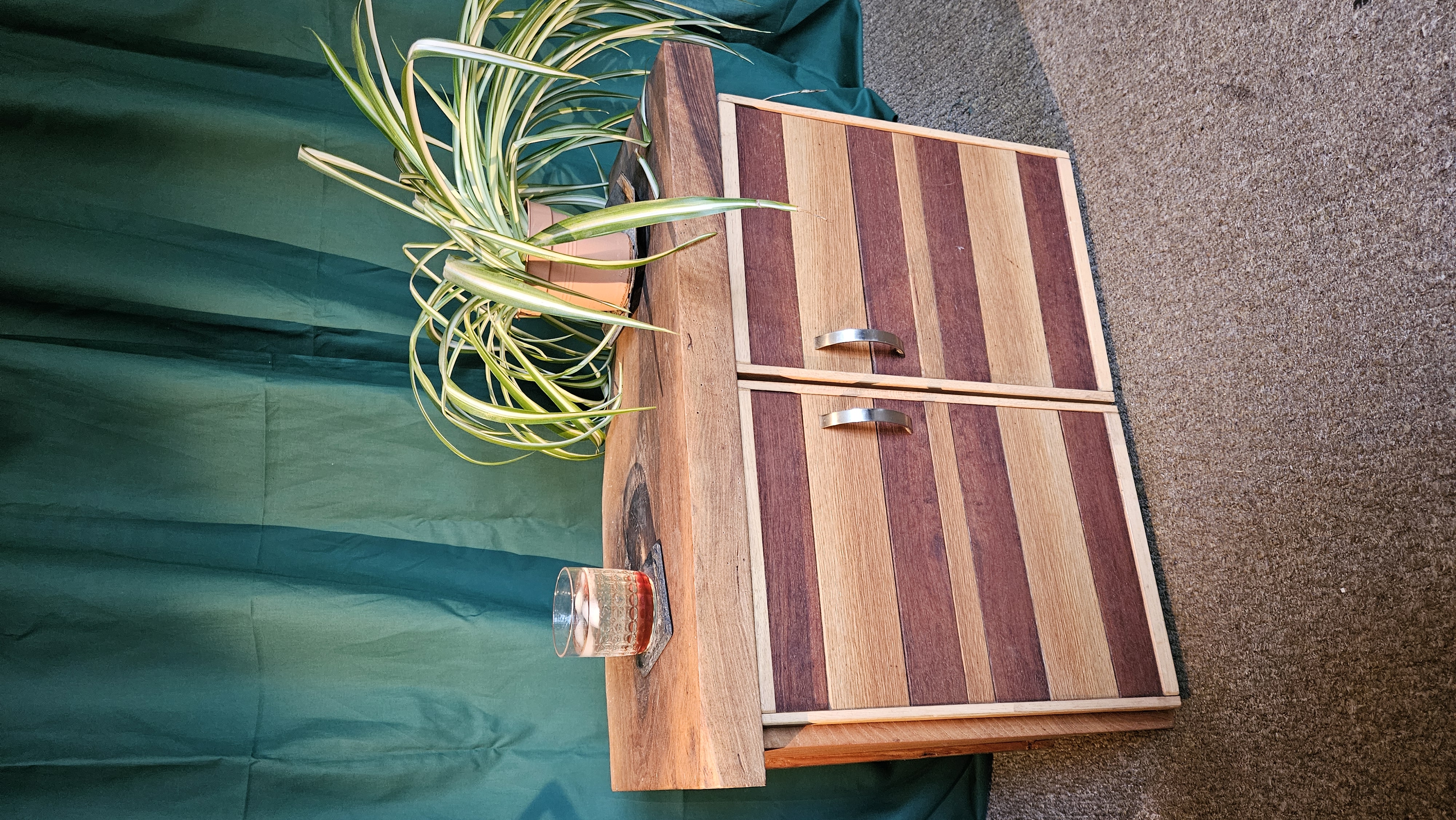
This is a material I'm particularly enthusiastic about. Valchromat is an engineered board where colour runs all the way through – not just a surface treatment. Available in striking colours including black, green, orange, and more, it opens up design possibilities that simply aren't available with natural wood. Combined with hardwood accents, Valchromat creates a contemporary aesthetic that I love working with.
Combining Materials
Some of my favourite pieces combine different materials to achieve effects that wouldn't be possible with a single material. For example:
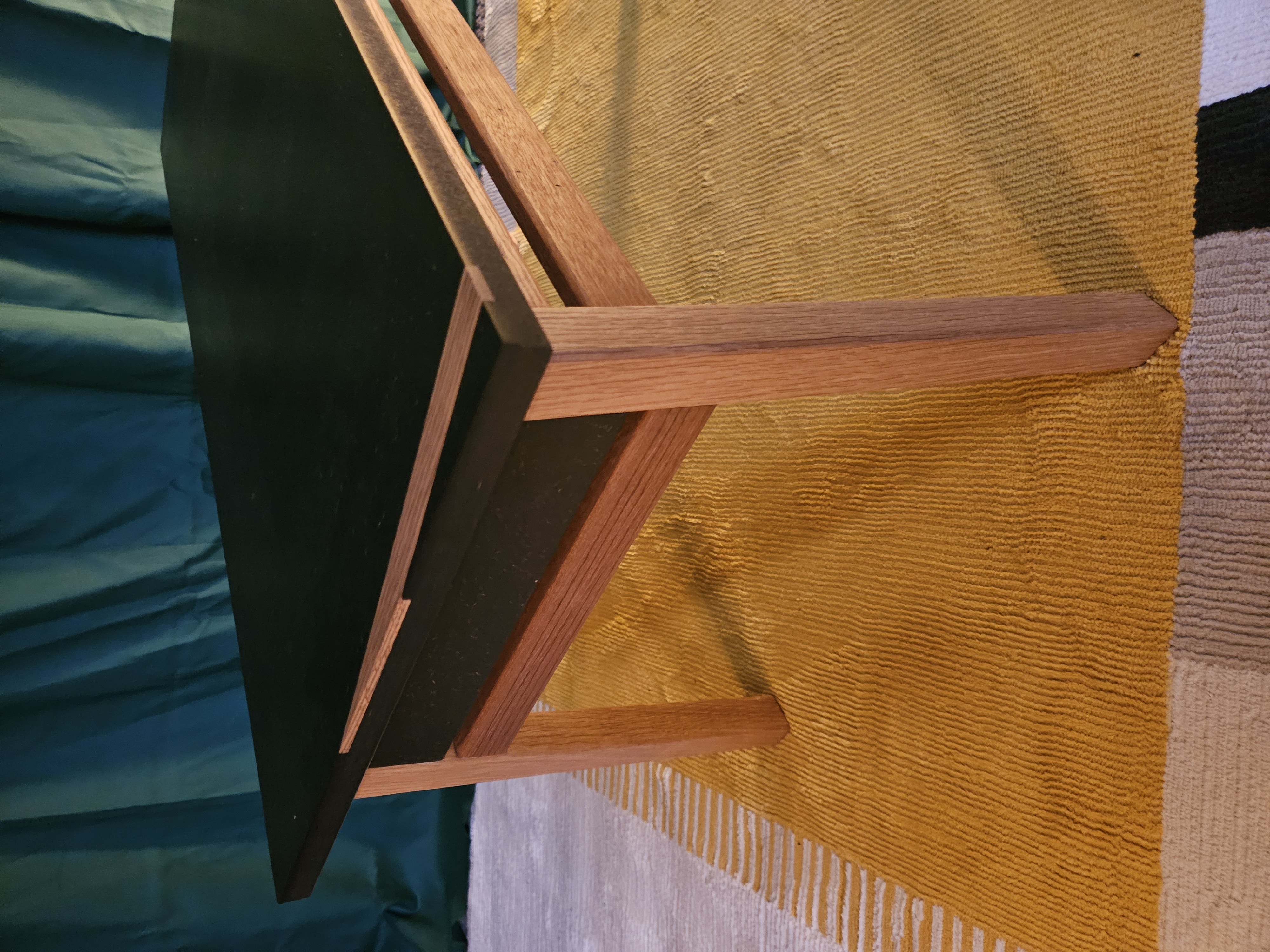
- Black Valchromat body with solid oak doors and legs – dramatic contrast
- Birch plywood carcass with hardwood face frames – strength and beauty
- Reclaimed wood doors on a modern cabinet – character and sustainability
- Glass tops on reclaimed timber bases – light and texture
Making Your Choice
When choosing materials, consider these factors:
Location: A bathroom cabinet needs moisture-resistant materials. A kitchen piece needs to handle heat and spills. Living room furniture can be more about aesthetics.
Style: Do you want traditional warmth or contemporary edge? Solid oak says one thing; black Valchromat with orange panels says something quite different.
Budget: Materials vary significantly in cost. I always discuss budget openly and can suggest alternatives that achieve a similar look at different price points.
Sustainability: If environmental responsibility matters to you, I can source FSC-certified timber, use reclaimed wood, or recommend materials with strong sustainability credentials.
Need Help Choosing?
Material selection is something I discuss in detail during the design consultation. I can show you samples, explain the pros and cons of different options, and help you make a decision that balances appearance, performance, and budget.
Book a Consultation